
How Shoe Washing Processes Affect Footwear Design and Production
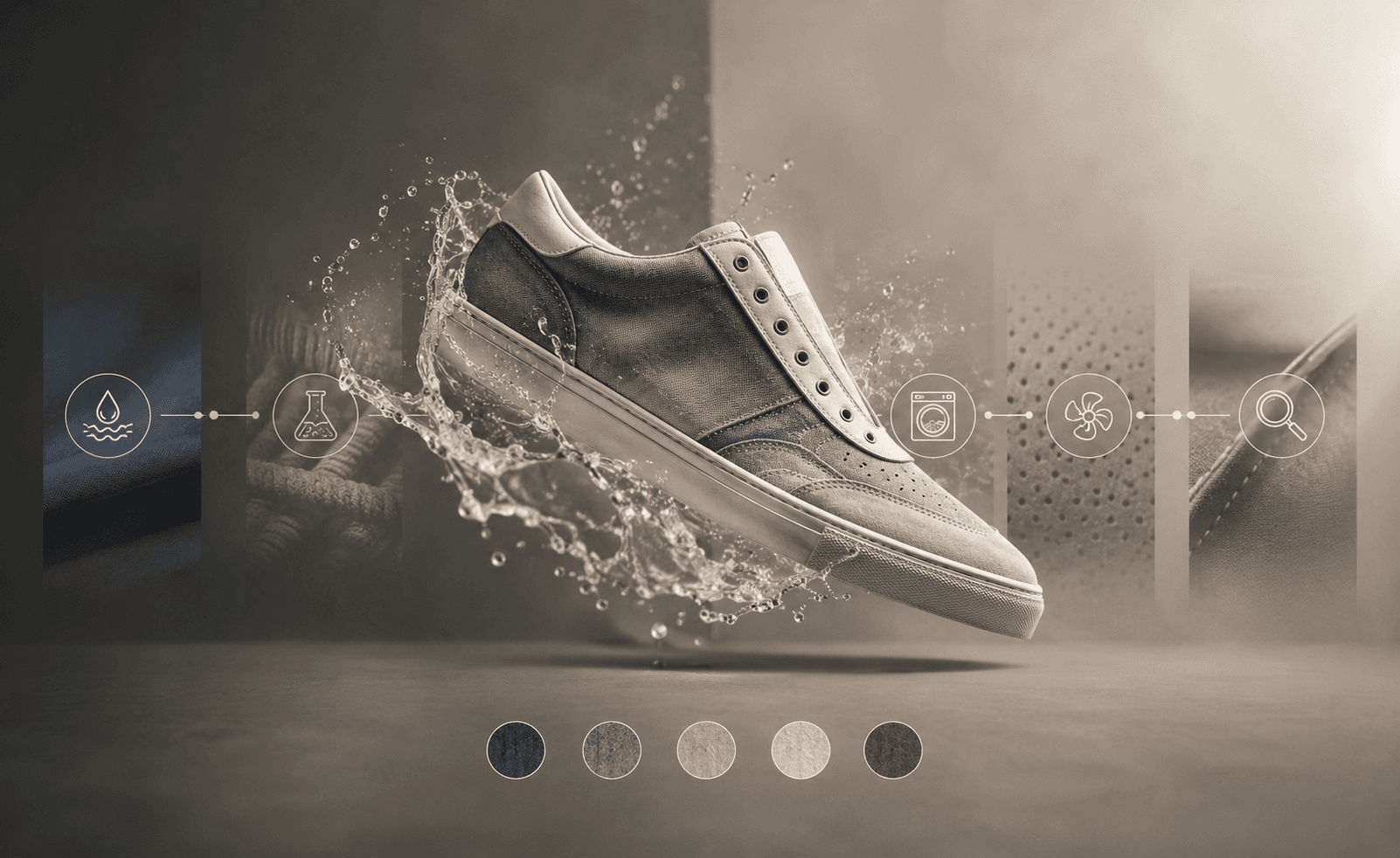
How Shoe Washing Processes Affect Footwear Design and Production
Did you know that in footwear manufacturing, the final appearance of a shoe is shaped by the shoe washing process? Most assume it's only design the materials that play a role in this.
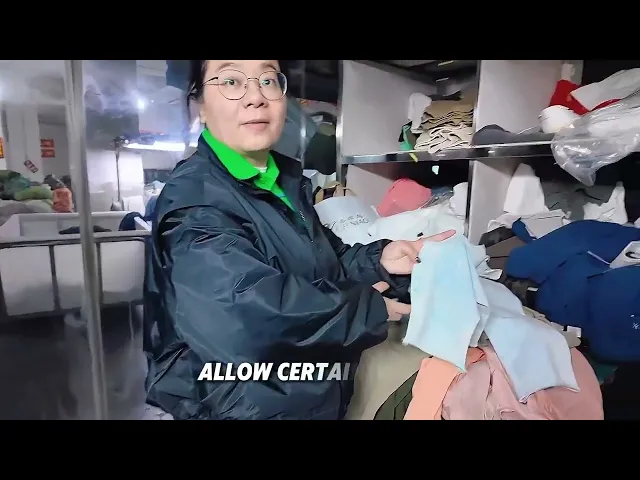
Recently, we visited a shoe washing factory to better understand how different footwear washing techniques affect the final look, texture, and character of shoes during production.
From dyeing and colour setting to stone washing and finishing, every step plays a critical role in footwear product development.
We break the process down in our YouTube video below. Otherwise, continue reading if you'd prefer to digest it through this blog post.
Why Shoe Washing Matters in Footwear Manufacturing
Shoe washing directly affects the texture, colour behaviour, visual identity, and overall quality of the footwear product.
Different washing techniques can create:
Vintage and worn-in effects
Distressed textures
Soft faded colour finishes
Unique surface character
Controlled contrast between materials and panels
For footwear brands, these details help products stand out in a competitive market.
The Role of Dyeing Before Shoe Washing
Before washing begins, shoes often go through dyeing and colour-setting processes.
The dyeing technique used during footwear production determines how colours react during the later washing stages. Some colours are intentionally designed to fade naturally after treatment to create a more vintage or distressed aesthetic.
This preparation stage is extremely important because it affects:
Colour consistency
Wash reaction
Material appearance
Final product character
Without proper planning during dyeing, the washing process can produce inconsistent results.
Different Shoe Washing Techniques Create Different Results
The washing process is where the visual transformation really happens.
Different footwear washing methods create very different outcomes depending on the intended design direction.
Stone Washing
Stone washing creates a stronger distressed effect by physically impacting the surface of the shoe material during the process.
This technique is commonly used to achieve:
Vintage aesthetics
Rougher textures
Washed-down colour effects
More aggressive surface character
Selective Washing
Selective washing allows certain parts of the shoe to fade while keeping other areas more intact.
This gives footwear designers greater control over:
Contrast
Colour placement
Texture balance
Overall visual storytelling
These controlled details are often what give footwear products their unique identity.
Washing Intensity Affects Colour and Texture
The intensity of the washing process directly influences how much colour is removed from the shoe.
Small changes in:
Washing duration
Treatment strength
Water exposure
Mechanical impact
can create dramatically different final results.
This is why precision and process control are essential in footwear manufacturing.
Quality Inspection After Washing
After washing is completed, every pair of shoes goes through a strict quality inspection process.
Production teams carefully check:
Colour consistency
Washing effects
Material condition
Construction quality
Finishing standards
Only approved products move to the next stage of production.
Controlled Drying and Finishing
Once inspection is complete, the footwear is dried under controlled conditions.
This stage helps:
Stabilise materials
Preserve the washed effect
Prevent shape distortion
Maintain production consistency
Proper drying is just as important as the washing process itself.
Footwear Washing Combines Creativity and Technical Precision
From dyeing to washing to finishing, every stage influences the final appearance and quality of footwear products.
Shoe washing is a technical production process that requires material knowledge, controlled execution, and manufacturing precision.
At Brisas Global, understanding these production details helps us support brands in developing footwear products that balance both creative vision and manufacturing quality.
So if you're looking for a footwear production partner who understands and ins and outs of developing and scaling a shoe brand, get in touch below.