
What Is a Tech Pack for Shoes and How Do You Write One?
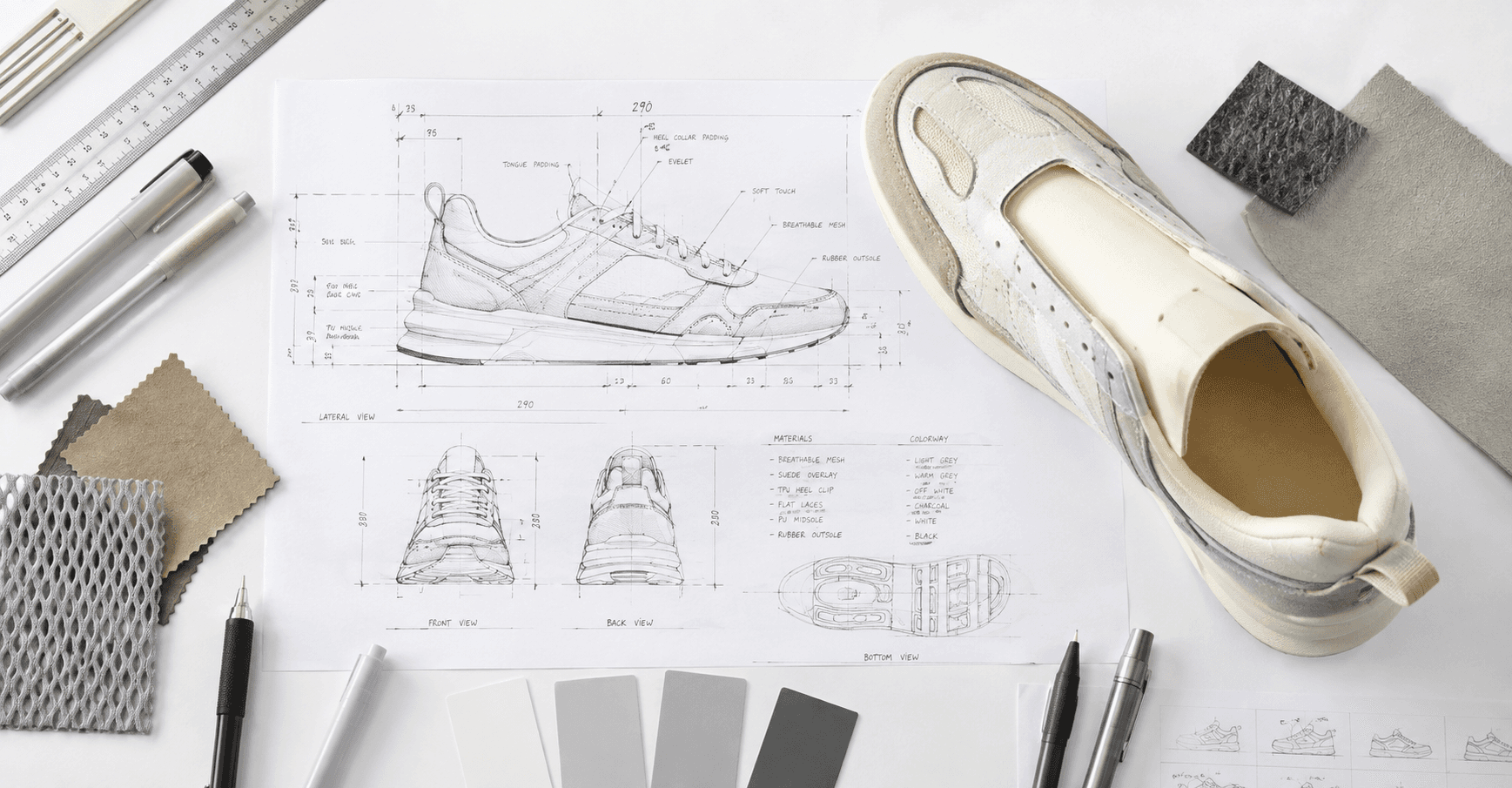
What Is a Tech Pack for Shoes?
A tech pack, short for technical package, is a detailed document that tells a factory exactly how to make your shoe. It is the bridge between your design idea and the physical product that gets manufactured.
Think of it as the instruction manual for your shoe. Without it, a factory is guessing. With a poorly written one, a factory will interpret your design in whatever way makes the most sense to them, which is almost never exactly what you had in mind.
A tech pack communicates everything a factory needs to know before they make a single sample. The construction of the shoe, the materials, the measurements, the colorways, the stitching details, the hardware, the labelling, and the packaging requirements.
What Should a Footwear Tech Pack Include?
A complete footwear tech pack typically covers the following:
Shoe overview and design intent: A clear description of what the shoe is, who it is for, and what it needs to do. A performance running shoe has completely different requirements from a fashion sneaker or a work boot. The factory needs to understand the purpose of the shoe before they can make it correctly.
Technical drawings: Detailed sketches or CAD drawings of the shoe from multiple angles. Front, back, side, top, and bottom. Every panel, seam, and design element needs to be clearly illustrated. Vague or artistic sketches are not enough, because factories work from precise technical drawings, not mood board images.
Materials and components: A complete list of every material used in the shoe. The upper material, lining, insole, midsole, outsole, laces, eyelets, and any hardware or decorative elements. Each material should be specified by type, weight, finish, and where possible, a reference code or sample.
Colorways: A breakdown of every colour option the shoe will be produced in, with Pantone colour codes or physical colour standards where possible. Never describe a colour by name alone. For example, "Navy blue" means something different to every factory.
Construction details: How the shoe is put together. The stitching type, stitch count per inch, bonding methods, lasting method, and any special construction techniques that are critical to the design or performance of the shoe.
Measurements and sizing: A size run breakdown showing the exact measurements for each size. Last dimensions, heel height, platform height, toe box width, and any other critical measurements that affect fit and comfort.
Labelling and branding: Where your brand label goes, what it says, what size it is, and how it is attached. This includes hang tags, insole printing, outsole embossing, tongue labels, and any other branding elements.
Packaging requirements: How the shoe should be boxed, tissue wrapped, and prepared for shipping. Box dimensions, tissue colour, any inserts or extras that go in the box.
Quality standards: The specific quality requirements the finished shoe must meet before it is approved for shipment. Stitching consistency, sole adhesion standards, material durability requirements, and any testing the shoe needs to pass.
What Happens When a Tech Pack Is Wrong or Incomplete?
This is where most first-time shoe brands lose significant time and money.
An incomplete tech pack leads to a sample that does not match your vision. The factory fills in the gaps with their own interpretation, and what comes back is close but not right. You then spend multiple rounds of sampling correcting details that should have been specified in the first place.
Every sample revision costs time. In footwear, a sample round typically takes two to four weeks. If your tech pack is missing key details, you could easily lose two to three months in additional sampling rounds before you have a production-ready sample.
An incorrect tech pack can also lead to material substitutions. If your materials are not specified precisely enough, the factory will use whatever is closest to what they have available. By the time the substitution is discovered, production may already be underway.
The most expensive outcome is a tech pack that looks complete but contains errors in the measurements or construction details. These errors survive the sampling stage because they are hard to spot on a single sample, but they become obvious and costly at scale during mass production.
Common Mistakes Brands Make With Tech Packs
Using fashion sketches instead of technical drawings: A beautiful illustration of your shoe is not a tech pack. Factories need precise, dimensioned technical drawings that show every construction detail clearly.
Leaving materials unspecified: Saying "leather upper" is not enough. What type of leather? What weight? What finish? What colour standard? Every detail that is left unspecified is a decision the factory will make for you.
Skipping the construction details: Many first-time brands focus heavily on the aesthetic details of their tech pack and forget to specify how the shoe is actually built. Construction details are what determine durability, comfort, and whether the shoe holds up after real wear.
Not including quality standards: Without clear quality standards, there is no objective way to reject a sample or a production run that does not meet your expectations. Quality standards give you and the factory a shared reference point.
Creating the tech pack without factory input: A tech pack created entirely in isolation, without input from someone who understands what is actually manufacturable, often contains design decisions that are either impossible or extremely expensive to produce. Involving someone with manufacturing knowledge at the design stage prevents costly changes later.
How Brisas Global Helps With Tech Packs
Creating a complete and accurate tech pack requires both design knowledge and manufacturing knowledge. Most brands have one but not the other.
At Brisas Global, we work with brands from the very beginning of the development process. We review designs for manufacturability before a tech pack is finalised, identify details that need to be specified more precisely, and help brands create tech packs that factories can actually work from without constant back and forth.
We have spent almost two decades on the ground in China working with factories across every footwear category. We know what information factories need, how they interpret technical documents, and where the gaps in a tech pack are most likely to cause problems.
For brands that do not have an in-house designer or technical developer, we also work with a European design studio that can help develop the technical drawings and specifications needed for a complete tech pack.
Getting your tech pack right is the single most important thing you can do before you approach a factory. Everything that comes after, the sampling, the production, the quality, depends on it.
Frequently Asked Questions
What is a tech pack for shoes?
A tech pack is a detailed technical document that tells a factory exactly how to make your shoe. It includes technical drawings, material specifications, construction details, measurements, colorways, labelling requirements, and quality standards.
Do I need a tech pack to work with a factory in China?
Yes. Most professional footwear factories in China will not begin sampling without a tech pack. Without one, there is no shared reference point for what the shoe should look like or how it should be made.
How long does it take to create a footwear tech pack?
A basic tech pack for a simple shoe style can take one to two weeks to create. A more complex shoe with multiple colorways, materials, and construction details can take three to four weeks or longer, especially if design revisions are needed along the way.
Who creates a tech pack for a shoe brand?
Tech packs are typically created by a footwear designer or technical developer. Some brands work with freelance footwear designers. Others work with development partners like Brisas Global who handle the tech pack as part of a broader development service.
What is the difference between a tech pack and a sketch?
A sketch shows what a shoe looks like from an aesthetic perspective. A tech pack shows how a shoe is built from a manufacturing perspective. A sketch is not enough for a factory to produce a sample from. A tech pack is.
What happens if my tech pack is incomplete?
An incomplete tech pack leads to more sampling rounds, longer development timelines, higher costs, and a final product that may not match your original vision. The factory will fill in any gaps with their own interpretation, which is rarely exactly what you intended.
Can Brisas Global help me create a tech pack?
Yes. We work with brands from the very beginning of the development process, including tech pack creation and review. Get in touch at brisasglobal.com to find out how we can help.
Ready to Start?
If you have a shoe design and need help turning it into a tech pack that a factory can actually work from, we would love to hear from you.